Top Trends in Sliding Doors: Contemporary Designs for Every Home
Sliding doors are changing to meet modern design requirements. Their ability to merge indoor and outdoor spaces has become increasingly valued. Glass choices deliver a modern touch and enhance daylight, while rustic barn doors offer a unique aesthetic. Homeowners now have multiple materials and styles to consider. As these trends gain traction, comprehending their impact on functionality and design becomes essential. What choices will best suit your space?

The Surge of Glass Sliding Doors: Why Transparency Matters
With homeowners increasingly seeking to blend indoor and outdoor spaces, the popularity of glass sliding doors has surged. These doors offer a smooth transition, permitting natural light to flood interiors while offering unobstructed views of gardens and landscapes. Their sleek design elevates modern aesthetics, making them a preferred choice for contemporary homes.
The incorporation of transparent materials supports a sense of openness, crafting an pleasant ambience that connects living spaces. Homeowners esteem the cost-effectiveness that modern glass technology grants, with options such as double glazing that fortify against temperature fluctuations. In addition, glass sliding doors are obtainable in multiple arrangements, accommodating assorted design preferences and architectural considerations.
Safety features, such as tempered glass and robust locking mechanisms, ensure safety without compromising style. Ultimately, the increase of glass sliding doors reflects a desire for functional beauty, blending refinement with utility in today's home design landscape.
Embracing Country Charm: The Attraction of Barn Door Designs|Discovering Countryside Character: The Charm of Barn Door Aesthetics|Celebrating Pastoral Warmth: The Attraction of Barn Door Varieties|Adopting Rustic Sophistication: The Fascination of Barn Door Selections
Barn door variations deliver an delightful reflection of rustic charm, having become increasingly popular in contemporary household design. These doors expertly balance purpose and visual interest, functioning as a singular highlight in various spaces. Characterized by their durable framework and often aged patinas, barn doors stir a sense of cherished memories while providing contemporary utility.
Usually made from wood, these sliding doors can be customized in different colors and textures, allowing homeowners to harmonize them with their existing decor. Their space-saving design is especially advantageous in smaller homes, where traditional copyrightd doors might be inconvenient. Barn doors can function as room dividers, closet doors, or even bathroom entrances, boosting the overall flow of a home.
The rustic character of barn doors provides warmth and nurtures a storytelling essence, making them a lasting preference for those desiring to incorporate unique character into their living areas.
Bi-Fold vs. Pocket Doors: Which Is Most Suitable for Your Space?
Which door option is most suitable for a homeowner's requirements: bi-fold or pocket doors? Both options present distinctive strengths, fulfilling different spatial needs and design preferences. Bi-fold doors are composed of multiple elements that collapse inward against themselves, forming a large gap. This configuration is well-suited for joining exterior and interior environments, increasing natural brightness, and delivering a fluid flow. They perform well in spacious locations, such as patios or dining rooms.
On the other hand, pocket doors glide into the wall, entirely vanishing when opened. This characteristic maximizes floor space and is ideal for smaller areas, such as bathrooms or closets, where swing space is constrained. Pocket doors offer a streamlined, clean look, complementing modern interiors.
Ultimately, the decision between bi-fold and pocket doors depends on the specific layout and functionality sought in a home. Homeowners should examine their space to determine which type fits their personal style and functional needs.
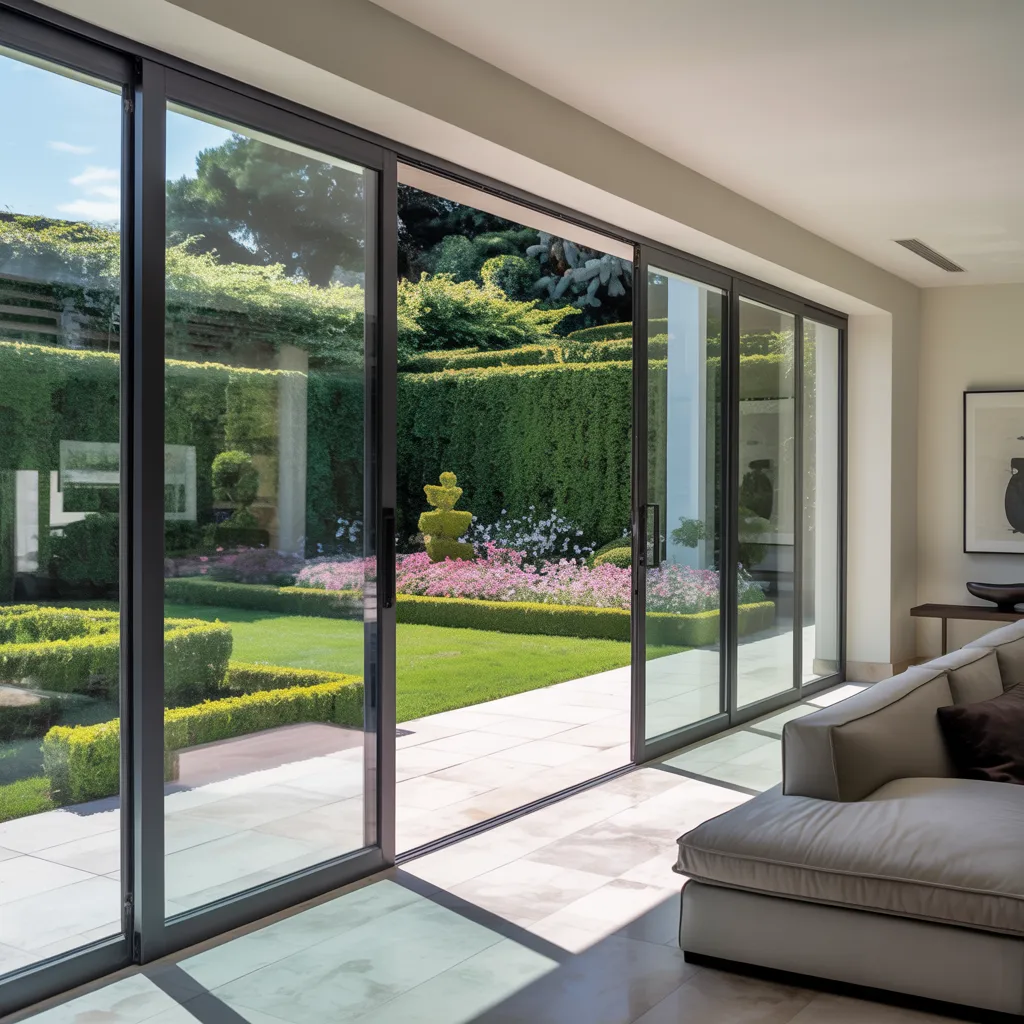
Selecting the Ideal Choice for Your Sliding Glass Door: Wood, Aluminum, or Vinyl?
Selecting a sliding door demands that the selection of material play an essential part in both usefulness and visual appeal. Wood offers comfort and a classic attraction, rendering it a popular choice for traditional environments. By contrast, aluminum delivers durability and a polished, modern look, appealing to modern aesthetics.
Wood: Comfort And Elegance
Wooden sliding doors project a special warmth and artistic charm that can transform any space. Their distinctive patterns and rich hues create an inviting atmosphere, making them a popular choice for both contemporary and classic interiors. The multipurpose nature of wood allows for various finishes, from glossy coatings to rough dyes, catering to multiple design preferences. In addition, wood offers good insulating qualities, enhancing energy efficiency while adding a snug environment. The touch sensation of wood, combined with its ability to match with other materials, contributes to a serene ambiance. Moreover, wooden doors can be customized in size and style, ensuring a perfect fit for any opening, thereby elevating the overall design of a home.
Aluminum: Longevity And Contemporary Design
Aluminum sliding doors showcase a blend of durability and modernity, making them an appealing choice for contemporary spaces. Known for their strength, aluminum can withstand harsh weather conditions without warping or rusting, ensuring long-term performance. This material is lightweight yet robust, facilitating smooth operation and ease of installation. Additionally, aluminum's sleek finish complements various architectural styles, enhancing the aesthetic appeal of any home.
Energy efficiency is also a major benefit, as modern aluminum doors often include thermal breaks that limit heat transfer. With a variety of colors and finishes available, homeowners can customize their doors to match their design needs. Ultimately, aluminum sliding doors offer a functional and stylish solution for anyone looking to elevate their living space.
How Intelligent Automated Sliding Doors Can Boost Your Home's Security?
Smart sliding doors enhance home security through cutting-edge security features that provide better defense to unauthorized access. Additionally, many models incorporate integrated security cameras, allowing homeowners to watch their entry points in real-time. With seamless smart home integration, these doors can be managed from anywhere, offering reassurance and ease.
Sophisticated Locking Mechanisms
Even though traditional sliding doors include standard security features, advanced advancements in locking mechanisms have considerably improved home safety. Currently, sliding doors can be fitted with intelligent locks that feature keyless entry, biometric scanning, or smartphone connectivity. Such features allow homeowners to observe access remotely and manage who enters their home, adding an extra layer of protection. Certain systems even feature automatic locking mechanisms that activate when the door is closed, guaranteeing security without any manual effort. Furthermore, multi-point locking systems spread pressure across the door frame, making forced entry notably more challenging. Consequently, advanced locking mechanisms in sliding doors deliver both convenience and a marked improvement in overall home security.
Combined Security Cameras
As homeowners increasingly seek extensive security solutions, integrated security cameras in sliding doors have emerged as a useful feature. These cameras provide immediate surveillance, allowing residents to monitor entry points directly from their smartphones or other devices. By incorporating HD video and night vision functions, these systems enhance visibility and deter potential intruders. Furthermore, many models offer movement notifications, ensuring that homeowners are immediately notified of any unusual activity. The seamless integration of these cameras into the door design preserves aesthetic appeal while strengthening security measures. Additionally, recorded footage can serve as vital evidence in case of incidents, further emphasizing the importance of integrated security cameras in modern sliding door designs.
Smart Home Implementation
Incorporating smart home technology into sliding doors adds related article an additional layer of security that supports integrated security cameras. Smart sliding doors can be fitted with advanced locking systems controllable remotely through smartphone apps. This option enables homeowners to monitor and secure their doorways from anywhere, boosting peace of mind. Additionally, numerous smart doors include sensors that notify users of unauthorized access attempts with real-time alerts. Automated locks can be scheduled to engage at certain times, preventing accidental open-door incidents. Moreover, the integration with smart home ecosystems allows for effortless coordination with other devices, like alarms and lighting, creating a comprehensive security framework. All in all, smart sliding doors demonstrate a modern strategy for improving home safety.
Upgrading Outdoor Lifestyle: Building Frictionless Interior-Exterior Integration
Seamless inside-outside movements have become a hallmark of modern design, reshaping living spaces into cohesive settings that erase the distinction between inside and outside. This trend is prominently featured in the use of glass doors that slide, which allow easy access to outdoor areas such as patios and gardens. By integrating large glass panels, these doors not only boost natural light but also provide unobstructed views of the surroundings, forming an inviting atmosphere.
work with any design aesthetic, rendering them a flexible choice
Customization Features: Adjusting Sliding Doors to Reflect Your Individual Style
The allure of sliding doors extends beyond their usefulness; personalization options permit homeowners to adjust these elements to their individual visual preferences. Different options, such as wood, aluminum, and fiberglass, deliver different looks and strength. Homeowners can choose from a range of finishes, including paint, stain, and organic textures, ensuring that the glass doors enhance their interior and outdoor designs.
Glass options also play a substantial role in customization. Homeowners may choose between clear, frosted, or tinted glass to achieve the preferred level of privacy and light filtering. Additionally, hardware designs and colors, including handles and tracks, can be customized to establish a cohesive look.
At last, homeowners can discover unique configurations, such as bi-fold or pocket doors, allowing for enhanced flexibility in visual presentation. This level of customization guarantees that sliding doors not only enhance functionality but also reflect personal character and aesthetic preferences.
Commonly Raised Questions
How Do Sliding Doors Influence Daylight in a Space?
Sliding doors greatly increase natural light in a room by offering large see-through panes, letting sunshine reach further into the interior. This lighting generates a brighter, more inviting atmosphere while optically enlarging the area.
What maintenance requirements pertain to sliding door products?
Sliding doors require routine maintenance, like maintaining tracks to avert debris accumulation, lubricating rollers for reliable operation, and monitoring seals for wear patterns. Scheduled check-ups ensure lasting performance and peak performance in any home environment.
Are Sliding Panels Appropriate for Small Spaces?
Sliding doors can be efficiently placed in small spaces, providing a space-saving solution. Their ability to slide open rather than swing makes them perfect for tight areas while improving natural light and accessibility.
Are Sliding Doors Energy-Efficient Choices for Residences?
Sliding doors function as energy-efficient options for residences, especially when equipped with double or triple-glazed glass. Their capability to limit air leakage and maximize natural light contributes to overall cost reduction and comfort.
How Do I Choose the Right Sliding Door Hardware?
To decide on the optimal sliding door parts, one should examine weight limits, material compatibility, visual aesthetics, and ease of installation. Additionally, consulting with professionals ensures performance fulfills personal aesthetic and security standards.